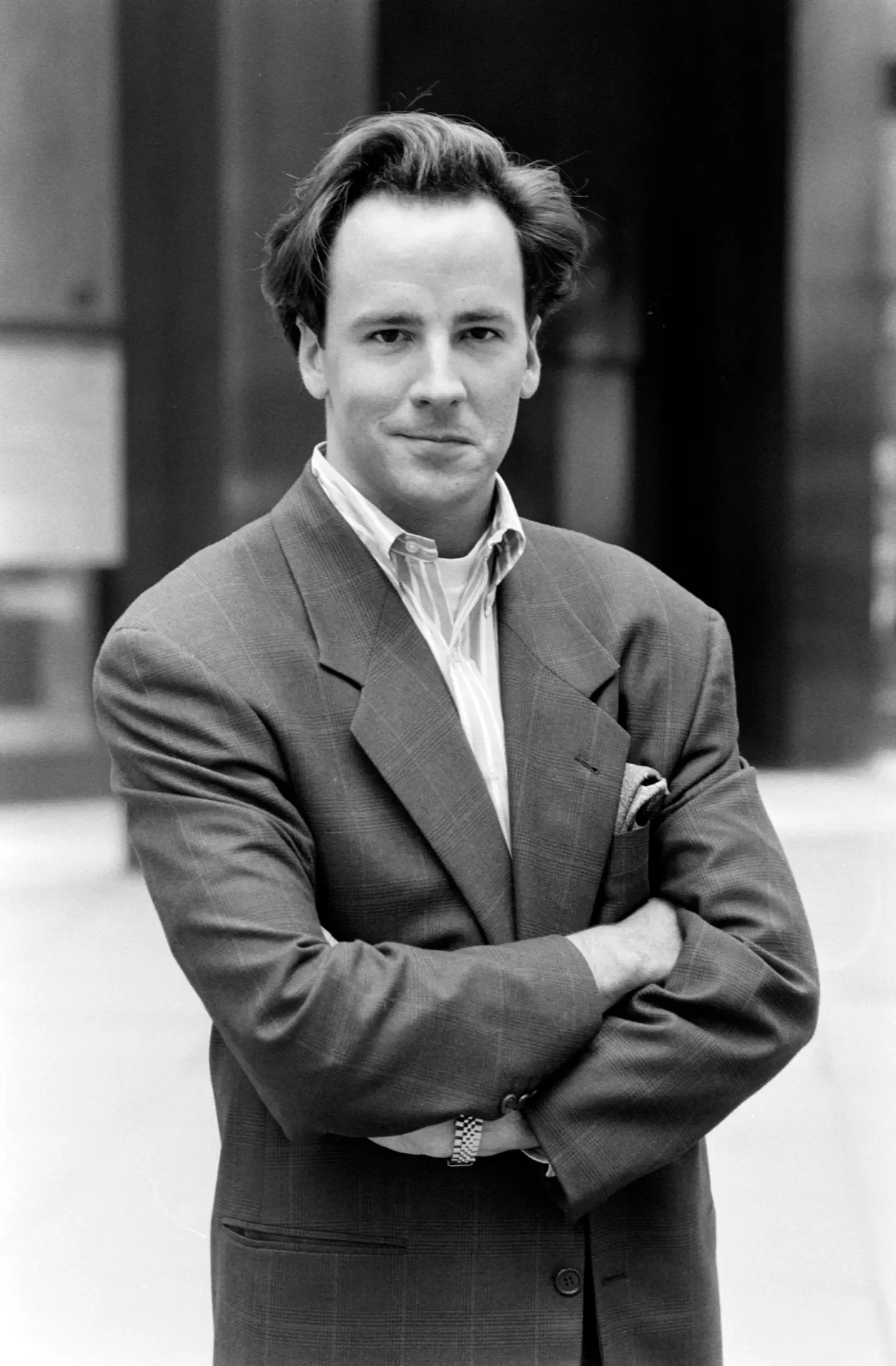
Certain chapters in fashion history reach past the runway and leave a mark on how you see creativity itself. Tom Ford's run at Gucci in the late nineties and early two-thousands was one of those for me — less a triumph of style than a revelation about what design can actually do.
When Ford stepped in, Gucci was a house searching for a voice. He revived it fast — not just through craftsmanship, but by giving it an attitude that was daring and precise at once. The clothes weren't clothes. They were statements: desire, confidence, influence, built into tailoring. Dressing stopped being routine and started being an act of becoming someone.
That's the part that stuck with me. Not the trend — the identity. The bold silhouettes, the glossy materials, the fearless glamour: they taught me that fashion isn't something you put on, it's something you become. It shapes how you carry yourself, the space you take up, the message you send without saying anything.
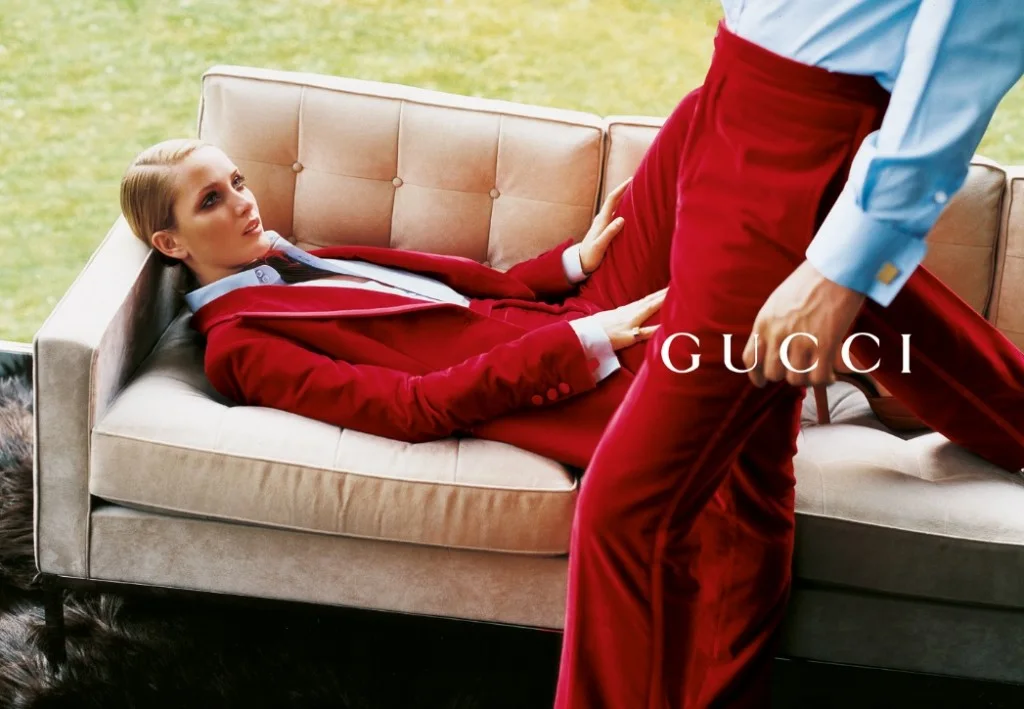
His feel for balance — restraint against flourish — and his gift for turning a cultural moment into something wearable inform how I approach direction in every medium since, whether that's a campaign, a space, or a single frame. Elegance. Precision. Confident, unapologetic boldness.
Ford didn't just influence my aesthetic. He gave it purpose. That era at Gucci wasn't a chapter in fashion history — it was the thing that woke up whatever I've been chasing ever since.